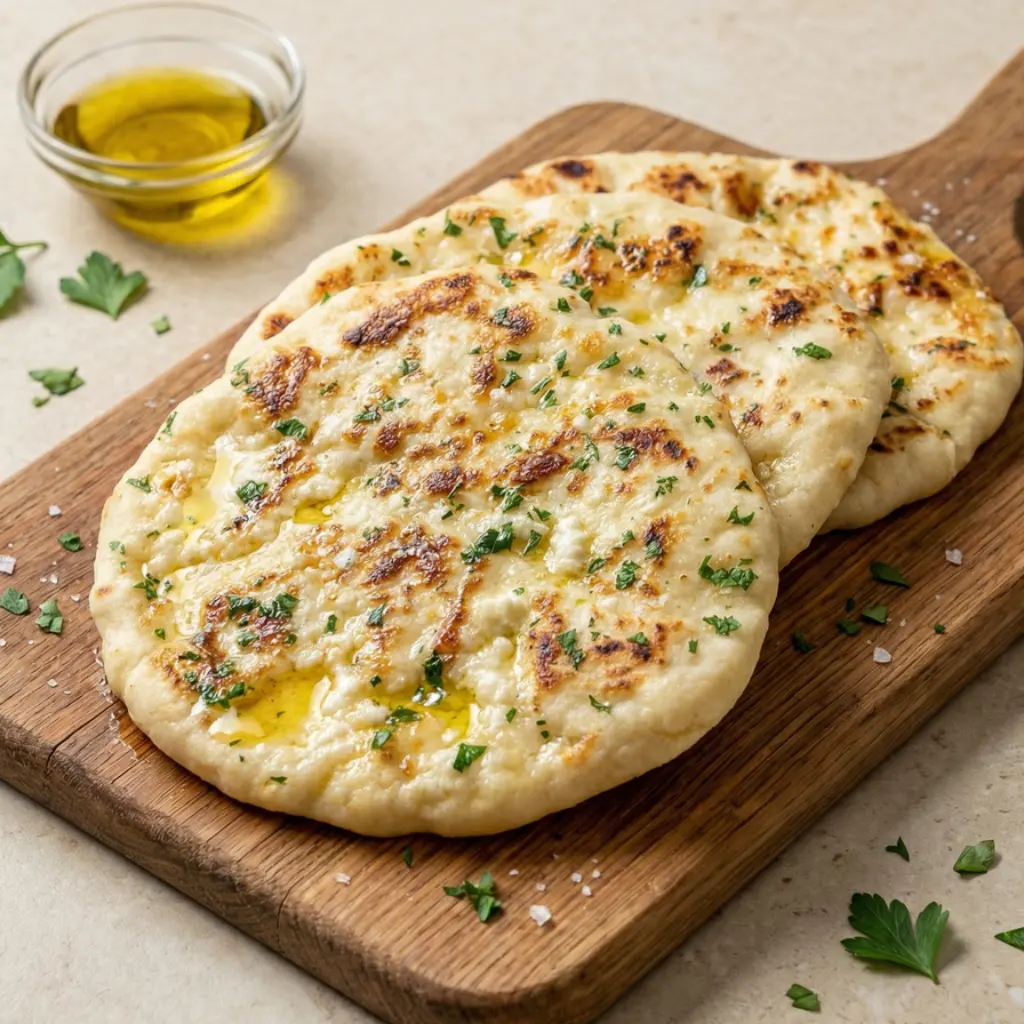
Cottage cheese flatbread started showing up everywhere a little while back, and honestly? The hype is completely deserved.
Here’s the thing, most of us have had that moment standing in the kitchen at 6pm, staring into the fridge, desperately hoping something good will just… appear. You’re tired. The family is hungry. And you really, really don’t want to order takeout again.
That’s exactly where this recipe lives. It’s the kind of thing you make once on a Tuesday because you had nothing else planned, and then suddenly it’s in your regular rotation and you’re texting the recipe to your sister.
It’s also surprisingly high in protein, around 14g per flatbread, which means it actually keeps you full. And if you’ve been trying to sneak more protein into your day without it feeling like a chore, this one does it quietly and deliciously.
*Before You Start: You’ll find more explanation here than a basic recipe. That’s intentional, the aim is to educate, not just instruct.
What Makes This Flatbread Worth Making Again (and Again)
❃ Done in 20 minutes, start to finish: no yeast, no resting, no planning ahead required.
❃ High protein without trying: roughly 14g per flatbread from the cottage cheese and egg alone.
❃ Only 3 ingredients you probably already have: cottage cheese, flour, and an egg.
❃ Endlessly versatile: pizza base, wrap, soup dipper, snack board star. It does everything.
❃ Freezer-friendly: make a double batch on Sunday and thank yourself all week.
❃ Easy to make gluten-free: a simple 1:1 flour swap and you’re good.
❃ Kid-approved: the mild flavor and soft texture make it a genuine crowd-pleaser, even for picky eaters.
Everything You Need (You Probably Have It Already)
The Dough
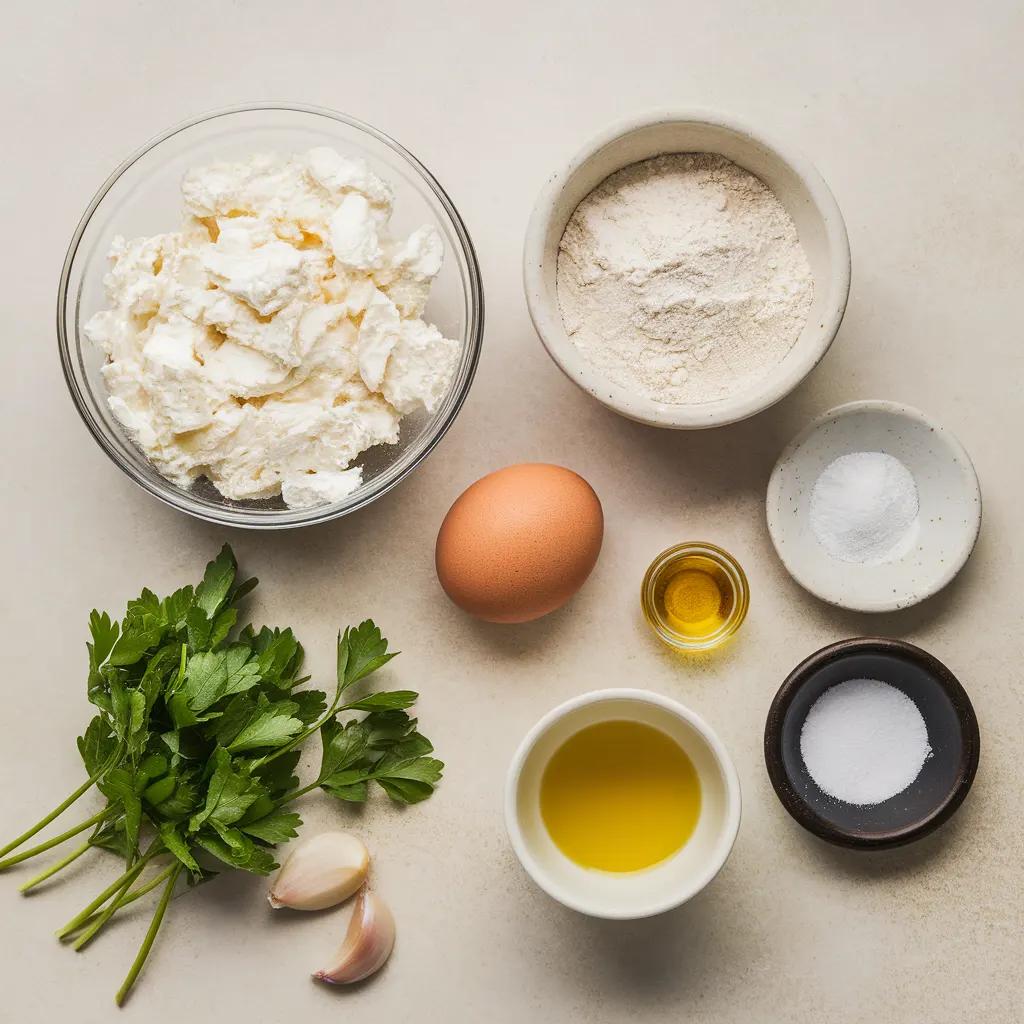
• 1 cup (225g) full-fat cottage cheese. Full-fat is worth it here. It gives the flatbread a richer flavor and better texture. Low-fat technically works, but the result is a little thinner and less tender.
• 1 cup (120g) all-purpose flour. Keep a little extra nearby for dusting. If you want a chewier flatbread, bread flour works beautifully too.
• 1 large egg. Try to use room temperature if you can. A cold egg straight from the fridge can make the batter feel a little uneven.
• ½ tsp fine salt
½ tsp baking powder. Don’t skip this. It’s what gives the flatbread that subtle lift and keeps it from feeling like cardboard.
Optional but Honestly, Highly Recommended
• 1 tbsp olive oil. for brushing the finished flatbreads while they’re still warm
• 1 clove garlic, finely grated. stir it straight into the dough for garlic flatbread that smells incredible
• 2 tbsp fresh parsley or cilantro, finely chopped
• Flaky sea salt for finishing. this one small thing makes it feel a little fancy
Quick note on cottage cheese: Every brand is slightly different in moisture level. If yours looks on the watery side, pour it into a fine-mesh sieve and let it drain for 10 minutes before you start. Takes almost no effort and makes a real difference in the dough.
Let’s Cook! This Moves Fast
One thing before we start: read through the steps once. The cook moves quickly, and having everything ready, measured ingredients, pan on the heat, makes the whole thing feel effortless.
1 Blend the cottage cheese smooth.
Pour the cottage cheese into a blender or food processor and blend for about 30–45 seconds until it’s completely smooth. No lumps, no visible curds, just silky. This step matters more than it sounds. Unblended curds create uneven pockets in the dough that don’t cook consistently. Scrape down the sides once and blend again if needed.
2 Add the egg, salt, and baking powder.
Add them straight into the blender with the cottage cheese and pulse 3–4 times just to combine. You’re not looking for a fluffy mixture here, just everything evenly incorporated.
3 Add the flour and mix until a soft dough forms.
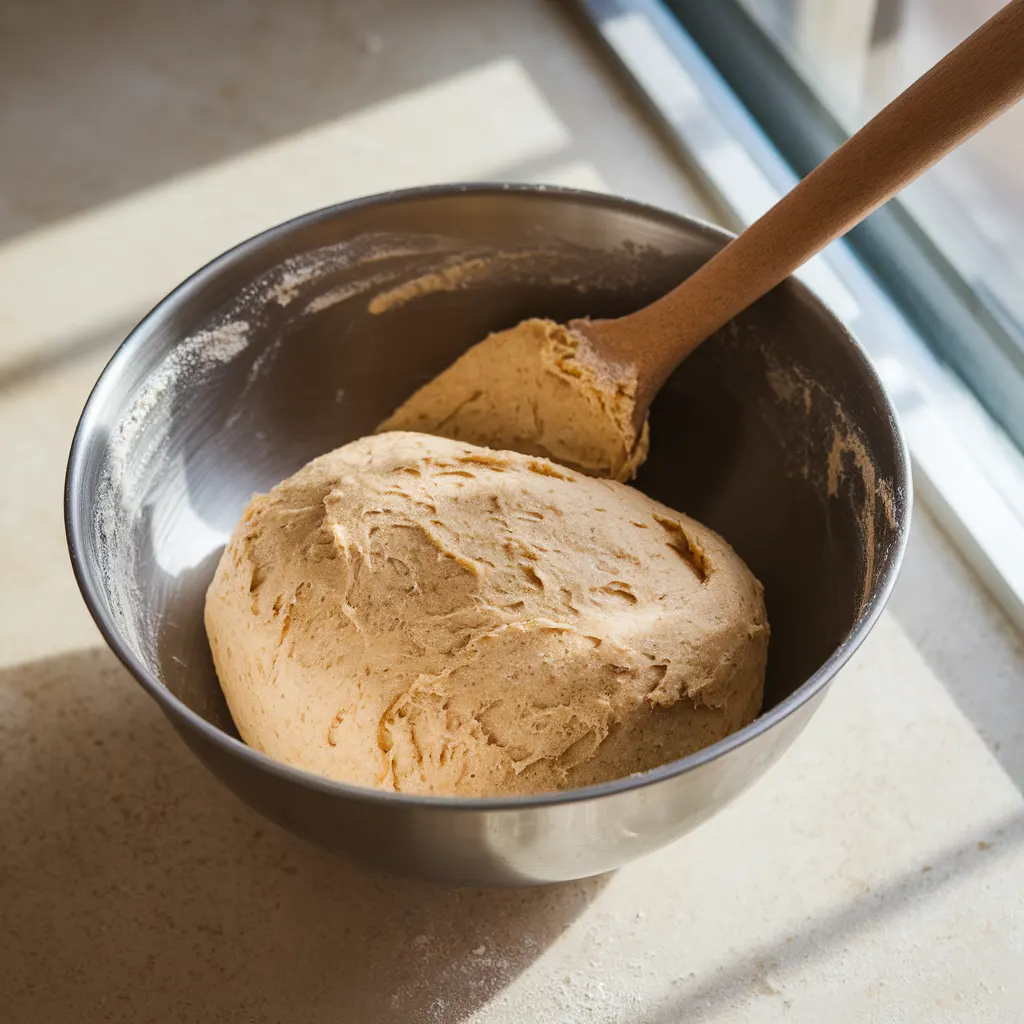
Add the flour and pulse in short bursts until the dough just comes together. It’ll be softer and stickier than a traditional bread dough, somewhere between a thick batter and a proper dough. That’s completely normal and exactly right. Stop mixing the moment the flour disappears; overworking it makes the flatbreads tough.
4 Shape the flatbreads.
Lightly flour your work surface or lay out a sheet of parchment paper. Divide the dough into 4 equal pieces. Using floured hands, pat each piece into a rough circle about ¼ inch thick. They don’t need to look perfect, organic, slightly uneven shapes cook just as beautifully and honestly look more rustic and real on the table.
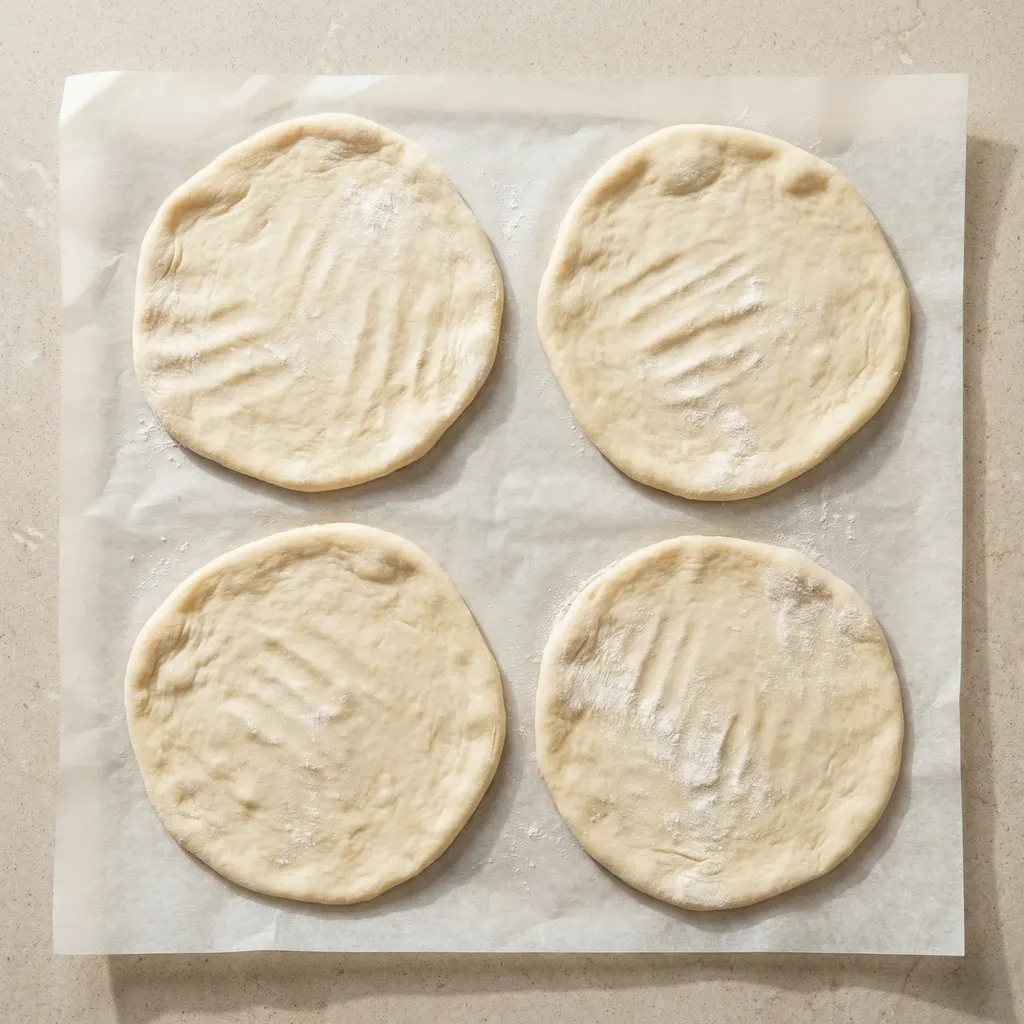
Sticking to your hands? Add flour one tablespoon at a time until it’s manageable. Different brands of cottage cheese have different moisture levels, so small adjustments are totally normal.
5 Get your pan properly hot.
This step is more important than most people realize. Place a cast iron skillet or heavy non-stick pan over medium-high heat and let it sit for a full 2 minutes before adding anything. An under-heated pan produces pale, steamed flatbreads with a gummy texture. A properly hot pan gives you those gorgeous golden-brown spots and a slight crisp on the outside. No oil in the pan yet, the cottage cheese has enough fat to prevent sticking.
6 Cook the first side, and leave it alone.
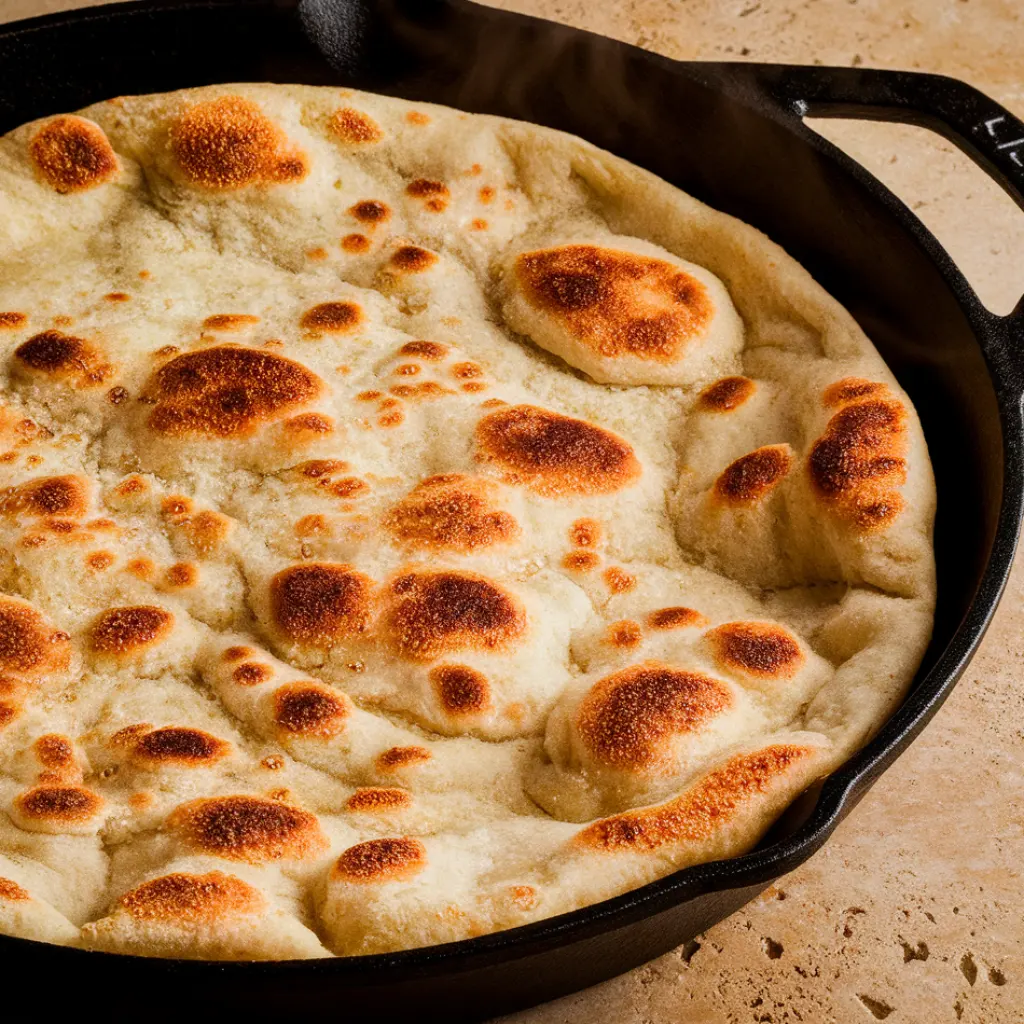
Lay one flatbread into the hot pan and walk away from it. Seriously, don’t press it, don’t nudge it, don’t check it every 30 seconds. Let it cook undisturbed for 3–4 minutes. You’ll know it’s ready when the edges look dry and matte, and when you lift a corner you see golden-brown patches underneath.
7 Flip and finish.
Flip it with a wide spatula and cook for another 2–3 minutes on the second side. The second side always goes faster because the dough is already partially set. You’re looking for the same golden color, spotty, warm, gorgeous.
8 Rest on a rack.
Move the finished flatbread to a wire cooling rack, not a plate. This is a small thing that makes a real difference, a flat plate traps steam underneath and softens the crispy edges you just worked to build. A rack lets air circulate and keeps both sides perfect while you cook the rest.
9 Finish while they’re warm.
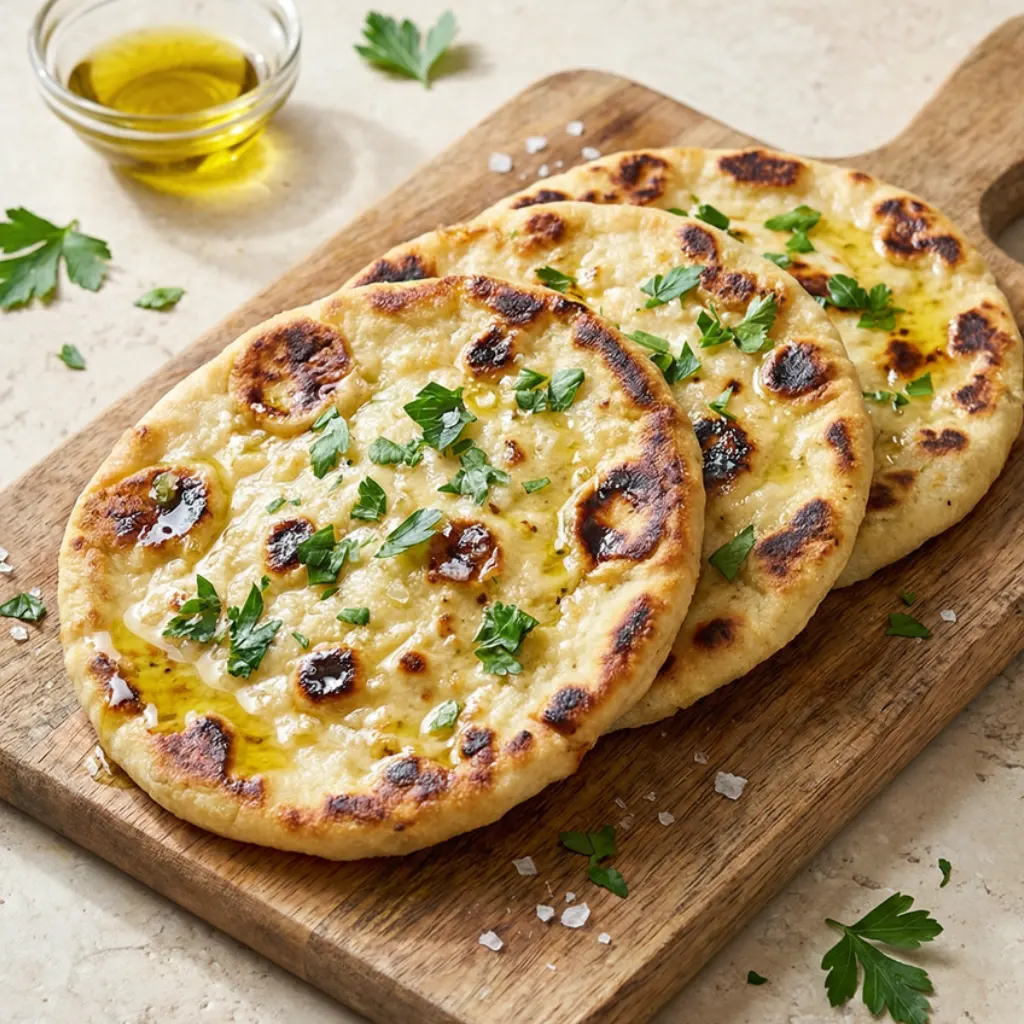
Brush each flatbread with olive oil the moment it comes off the heat. Scatter over the herbs, a pinch of flaky salt, and maybe a tiny extra drizzle of oil. The warmth helps everything absorb and the herbs stick. This is the moment the whole kitchen starts to smell amazing.
What I Wish Everyone Knew Before Making This
❃ Drain watery cottage cheese before you start. If you skip the draining step and your cottage cheese is particularly wet, you’ll end up adding a lot of extra flour to compensate, which changes the texture. Ten minutes of draining is worth it.
❃ A heavy pan is your best friend here. Cast iron or stainless steel holds heat evenly across the whole surface. Thin non-stick pans tend to have hot spots, so you end up with flatbreads that are burnt in one spot and pale in another.
❃ Grate the garlic into the dough, not just on top. When garlic goes into the dough itself, the flavor gets cooked in and becomes something sweeter and more mellow. Brushing raw garlic on afterward is fine, but it’s not the same.
❃ A 200°F oven is your holding station. If you’re cooking for more than one or two people, slide the finished flatbreads onto a baking sheet and keep them in a low oven while you work through the rest. They’ll stay warm and slightly crispy for up to 20 minutes.
❃ Don’t skip the baking powder. It seems like a tiny amount, but it’s what keeps this cottage cheese flatbread light and slightly puffed instead of flat and dense.
Nutrition Per Serving (1 Flatbread)
• Calories: ~210 kcal
• Carbs: 28g
• Protein: 14g
• Fat: 5g
• Fiber: 1g
• Sugar: 2g
• Sodium: 320mg
❃ Nutrition info is estimated and may vary based on specific brands and ingredients used.
Let’s Clear a Few Things Up
➲ Can I make this gluten-free?
Yes, and it works really well. Use a 1:1 gluten-free all-purpose blend that contains xanthan gum. One small adjustment: let the dough rest for 5 minutes before shaping. Gluten-free flours need a little extra time to absorb moisture, and resting the dough makes it noticeably easier to handle.
➲ How do I store and reheat them?
Room temperature in an airtight container for up to 2 days, or in the fridge for up to 4 days. For reheating, skip the microwave, it makes them limp and sad. A dry skillet over medium heat for about 60–90 seconds per side brings them back beautifully. For freezing, stack them with parchment squares between each flatbread, seal in a zip bag, and freeze for up to 3 months. You can reheat straight from frozen over medium-low heat, no thawing needed.
➲ My dough is way too sticky and wet, what happened?
Almost always a cottage cheese moisture issue. Some brands are much wetter than others, and low-fat versions tend to be the worst for this. Add flour one tablespoon at a time, folding gently, until the dough feels soft but workable. Next time, drain the cottage cheese first and you likely won’t need to adjust at all.
➲ Can I double or triple the batch?
Absolutely, this is actually one of the best reasons to love this recipe. The dough scales up without any changes to technique. For larger batches, blend in two or three rounds so you don’t overload the blender. Cooked flatbreads hold perfectly in a 200°F oven while you work through everything.
One Final Thought Before You Heat the Pan
This cottage cheese flatbread is the kind of recipe that earns its place not because it’s trendy, but because it genuinely solves a real problem. It’s fast, it’s satisfying, it’s protein-rich, and it tastes like something you actually put effort into, even when you really, really didn’t.
Make it once and see how it goes. Then make it again on Friday when you need a quick pizza base. Then freeze a batch for next week.
If you loved this one, here are a few more recipes worth bookmarking:
❃ Quick Sweet Potato Cornbread (Ready in 35 Minutes!)
❃ Egg Muffins with Spinach and Feta (Your New Morning Lifesaver!)
❃ Fluffy Japanese Souffle Pancakes in 30 Minutes (Jiggly & Easy)
If you make this, I’d be so grateful if you came back and left a rating, it truly helps other women find this recipe when they’re standing in the kitchen at 6pm wondering what on earth to make.
Save it to your Pinterest boards so it’s right there when you need an easy dinner win, and feel free to share it with a friend who could use something simple and delicious this week.
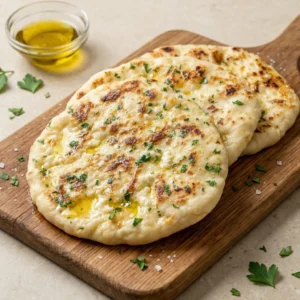
This Cottage Cheese Flatbread Changed My Busy Weeknight Forever
Ingredients
- 1 cup 225g full-fat cottage cheese
- 1 cup 120g all-purpose flour
- 1 large egg
- ½ tsp fine salt
- ½ tsp baking powder
- 1 tbsp olive oil for brushing
- Flaky sea salt for finishing
- 2 tbsp fresh parsley chopped (optional)
Instructions
- Blend cottage cheese until completely smooth with no visible curds.
- Add egg, salt, and baking powder. Pulse 3–4 times to combine.
- Add flour and pulse until a soft dough forms. Do not overmix.
- Divide dough into 4 pieces. Pat each into a ¼-inch thick circle on a floured surface.
- Heat a cast iron or heavy skillet over medium-high for 2 full minutes. No oil needed.
- Cook each flatbread 3–4 minutes first side, untouched, until golden spots form underneath.
- Flip and cook 2–3 minutes on the second side until golden.
- Rest on a wire rack. Brush with olive oil and finish with flaky salt while warm.